Let's be honest, painting faces on miniatures can be incredibly frustrating, especially when you're dealing with tiny figures and limited detail. I’ve spent countless hours squinting, cursing, and restarting, but I've finally discovered some techniques that have made a real difference. I'm excited to share my journey and the things that actually helped me improve my miniature painting skills, specifically when it comes to those pesky faces.
I remember one particular project - a squad of space marines. I was so excited to bring them to life, but the faces...oh, the faces! They were so small and lacked any real definition. Trying to paint eyes, noses, and mouths on those tiny surfaces felt like an impossible task. My initial attempts looked more like abstract art than realistic faces. The frustration was overwhelming. I knew I needed to find a better way to tackle this challenge. The lack of detail in the sculpts made everything 10 times harder. It felt like I was fighting a losing battle.
After much trial and error, I discovered a few key things that significantly improved my miniature painting. Here's what worked for me:
The first thing I realized was that I simply couldn't see what I was doing properly. My eyesight just wasn't good enough to make out the tiny details. I started experimenting with magnification and better lighting. This made a world of difference. I found that good lighting ensures I always see what I'm painting.
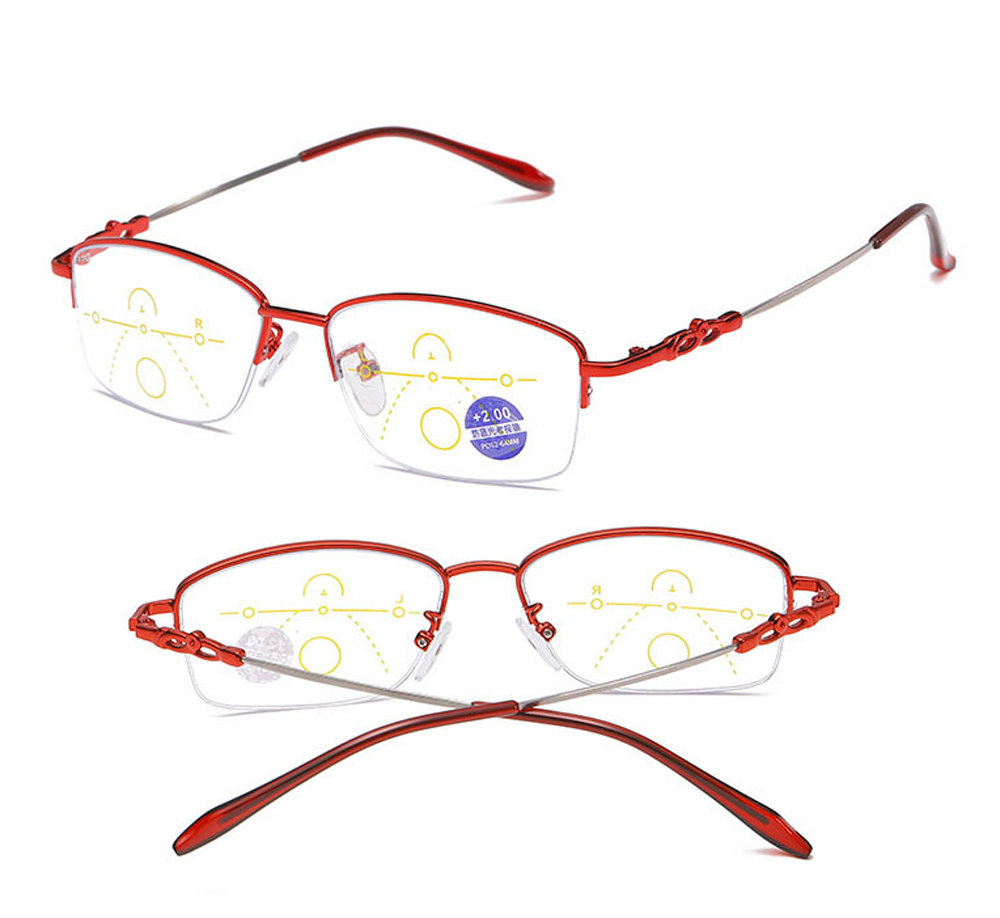
I ended up investing in a pair of reading glasses, and they were a game-changer. Being able to clearly see the details allowed me to paint with much more precision. The right magnification can make a huge impact on your miniature painting. I even considered a magnifying lamp, but the glasses were more practical for my setup.
While searching for the perfect magnification solution, I stumbled upon Mozaer Eyeglasses. It has a great selection. I considered the Women Ultralight Titanium Alloy Intelligent Progressive Multifocal Reading Glasses. These reading glasses help you see near and far.
I haven't tried that specific model yet, but I'm intrigued by the idea of glasses that can adjust to different distances. For now, my standard reading glasses are doing the trick. I even use a headlight on a low setting to ensure light is always going where I'm looking.
Another major factor was brush control. I quickly learned that using the right brush and mastering basic techniques were essential for painting faces. I invested in a good quality brush with a fine point, specifically a size 0. This allowed me to apply paint with greater accuracy and avoid accidentally covering up details.
I also focused on thinning my paints. Thick paint tends to obscure details and create a clumpy finish. By thinning my paints with water or a suitable medium, I was able to achieve smoother, more even coats. I also learned to wick excess paint off the brush before applying it to the miniature. This prevents the paint from pooling in unwanted areas and allows for greater control.
One of the best pieces of advice I received was to paint in thin layers. This means applying multiple thin coats of paint rather than one thick coat. Thin layers allow you to build up the color gradually and create subtle shading and highlights. It also gives you more room for error, as you can easily correct mistakes without ruining the entire paint job.
I start with a mid-tone basecoat and then use washes to create shadows. Once the shadows are in place, I build up the highlights with lighter shades of paint. This technique helps to create depth and dimension, making the face look more realistic.
I also found that having a stable surface to rest my hand on was crucial. Even the slightest tremor can throw off your brushstrokes when painting tiny details. I use a painting handle with a cork top and a separate wrist rest to minimize movement and keep my hand steady.