I've always been a detail-oriented person, which is a blessing and a curse. When it comes to making purchases, even small ones, I can easily fall down the rabbit hole of research. Hours spent comparing specs, reading reviews, and watching videos – it’s exhausting! I knew there had to be a better way to make informed decisions without losing precious time. This led me to explore the world of outsourcing research, and I’m excited to share my findings with you.
I remember one instance vividly. I was looking for a new carry-on travel bag. Sounds simple, right? Wrong! Before I knew it, I was deep into articles comparing different materials, wheel types, handle designs, and internal organization. I was spending more time researching than I would actually spend on the trip! It was frustrating, and I realized I needed a system to streamline the process. This meticulous research was taking over my life, and I needed to find a solution.
The core issue was that I wanted the best option, regardless of price (within reason). I wanted something durable, functional, and stylish. But dedicating so much time to every purchase, big or small, simply wasn't sustainable.
My first thought was: could I pay someone to do this for me? I considered hiring someone to do the research and present me with the top options. However, I quickly realized that for smaller purchases, the cost of quality research might outweigh the benefit. It might be more cost-effective to simply buy a product, try it out, and resell it if it doesn't meet my needs. I even looked into paying someone to sell secondhand items on eBay, as that could potentially offset the cost of experimenting with different products. So, paying someone to do the research, in this case, wasn't the best option.
Instead of directly outsourcing to an individual, I discovered the power of leveraging existing expert reviews and recommendations. I began relying heavily on sources like Wirecutter, focusing on their "upgrade picks." I found this significantly reduced my research time while still ensuring I was choosing a high-quality product. This was a game-changer for me, allowing me to make informed decisions without the overwhelming time commitment.
Also, I realized that sometimes the best approach is to tap into unconventional talent pools. I know someone who hired engineering students for part-time work, even though their business wasn't related to engineering. They were incredibly thorough, worked quickly, and were generally easy to manage. This made me think about how I could potentially leverage similar skills for research tasks, even if the person didn't have direct experience in the product category.
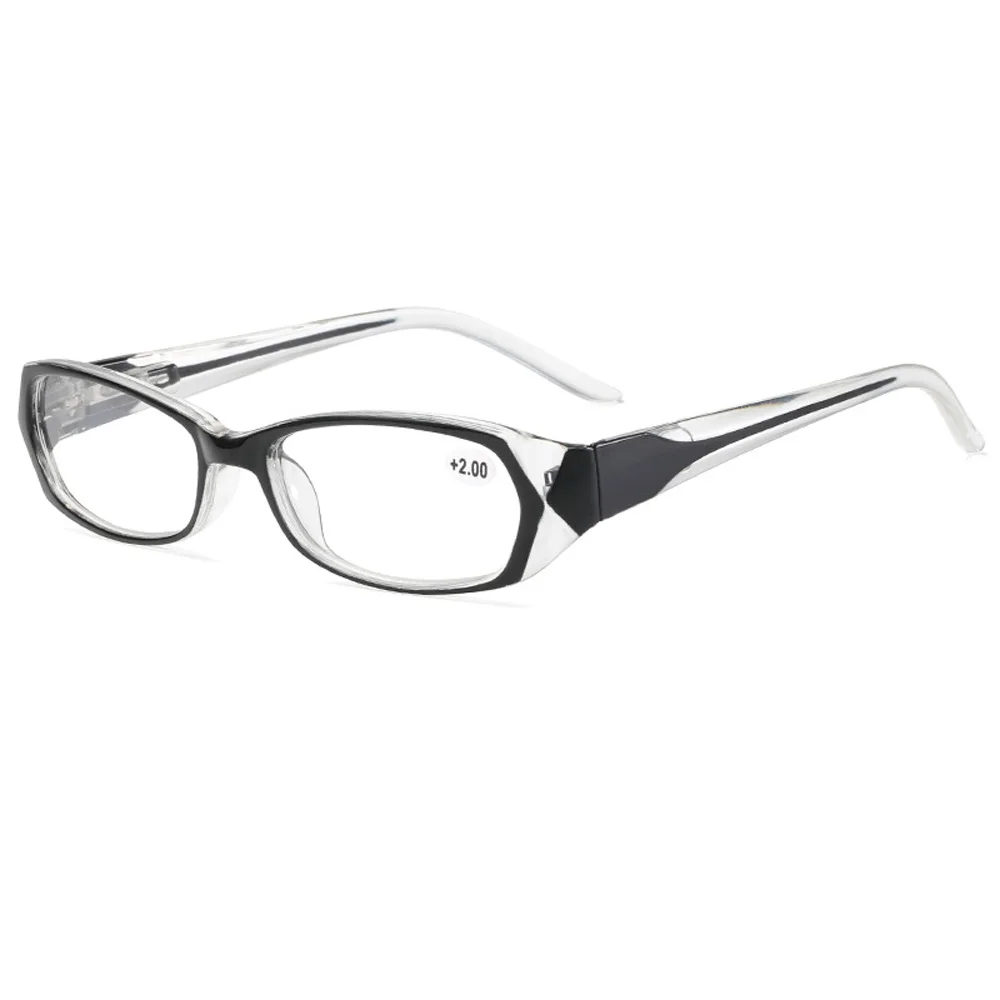
For example, I recently needed new reading glasses. I found myself spending hours comparing different styles, lens types, and coatings. Then I remembered my strategy of leveraging expert reviews and recommendations. And that is when I discovered homepage, where I can find a lot of choices for different purposes. I found these amazing 2023 Retro Anti-blue Reading Reading Glasses.
I was drawn to the retro design and the anti-blue light feature, as I spend a lot of time in front of a computer. I wear them every day now, and they are incredibly comfortable. The anti-blue light feature has definitely helped reduce eye strain. It was a great purchase, and I'm so glad I didn't get bogged down in endless research this time.
Based on my experiences, here are some practical tips for effectively managing research for small purchases: