Like many people working in the digital world, I spend countless hours staring at screens. My work requires it, and honestly, even my free time is filled with scrolling and streaming. But all that screen time started taking a toll. My eyes felt constantly tired, and I started wondering if computer glasses were the answer.
I first noticed the problem a few years ago. After a long day of coding and writing, my eyes would feel dry and strained. Sometimes, I'd even get headaches. I tried different things, like adjusting the brightness of my screen and taking more breaks, but nothing seemed to completely solve the issue. I started researching solutions and came across the debate around computer glasses. Were they a legitimate solution, or just a marketing gimmick?
I remember reading opinions online, some swearing by their computer glasses, others dismissing them as useless. One person mentioned their eye doctor told them computer glasses were just a marketing ploy. That made me hesitant, but the persistent eye strain pushed me to explore further. I felt lost and needed to find something that would help me focus and reduce the fatigue. I even started questioning whether I needed a new prescription, even though my vision was generally good.
I even started to think about my posture. Was I sitting too close to the screen? Was my monitor at the right height? I adjusted my chair, moved my monitor further away, and even tried different lighting in my office. Still, the eye strain persisted.
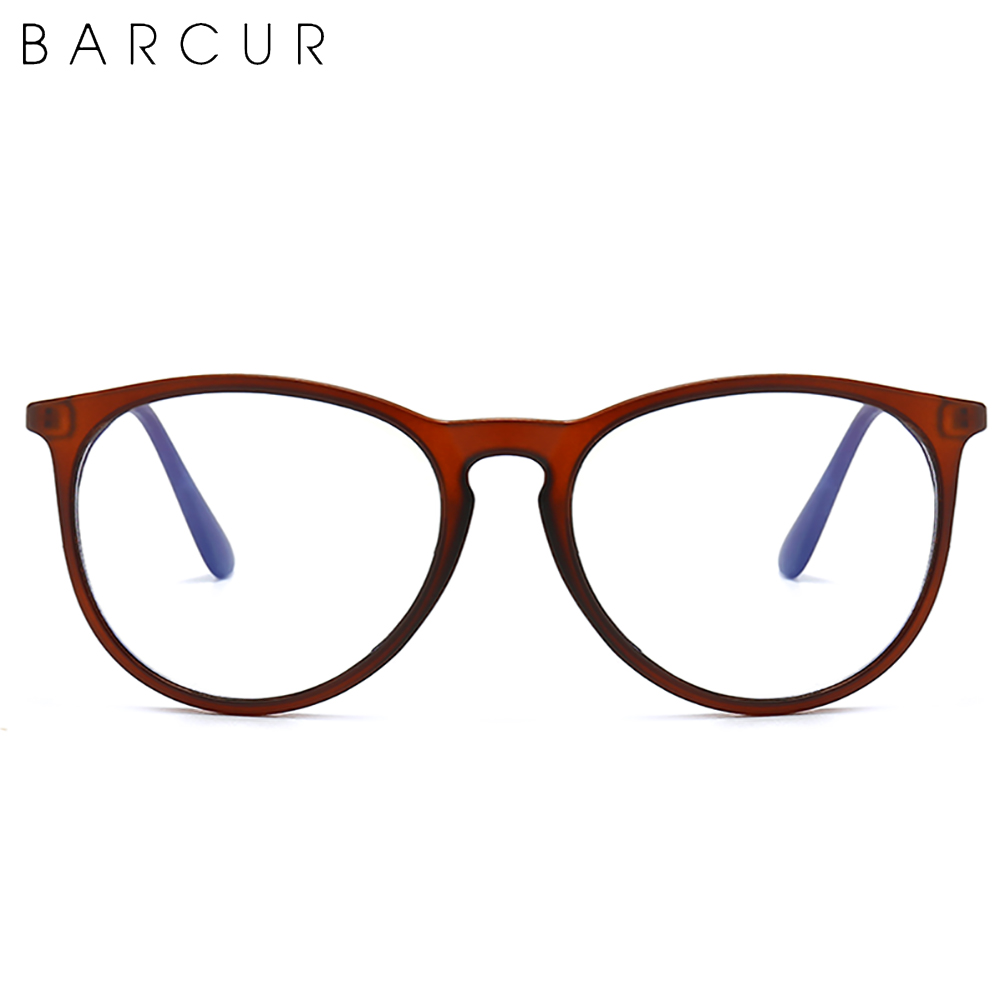
Despite the skepticism, I decided to try computer glasses. I figured it was worth a shot, especially since I was desperate for relief. I looked at a few options online, and after some research, I decided to try a pair of BARCUR Anti Blue Light Computer Glasses. I really liked the style of the frame and the promise of UV400 protection. They weren't too expensive, so I figured it was a low-risk experiment.
When the glasses arrived, I was excited to try them out. I put them on and immediately noticed a slight yellow tint to everything. It wasn't distracting, but it was definitely noticeable. The real test, however, would be how my eyes felt after a long day of work.
After a week of using the computer glasses, I started to feel a difference. My eyes weren't as tired at the end of the day, and I didn't get as many headaches. Now, was it the glasses themselves, or was it a placebo effect? I honestly couldn't say for sure. But the fact that my eyes felt better was enough for me. The frames are also really stylish, I've gotten quite a few compliments on them, which is a nice bonus.
While I was experimenting with computer glasses, I also came across another piece of advice: the 20-20-20 rule. Every 20 minutes, you should focus your eyes on something that is 20 feet away for 20 seconds. It sounded simple enough, so I decided to give it a try.
I set a timer on my phone to remind me to take a break every 20 minutes. At first, it felt a little disruptive, but I quickly got used to it. And to my surprise, it actually helped! Taking those short breaks allowed my eyes to relax and refocus, reducing the strain. I found that combining the 20-20-20 rule with the computer glasses was the most effective way to combat eye strain.
Besides the computer glasses and the 20-20-20 rule, I also made a few other changes to my workspace that helped reduce eye strain: