Hey fellow miniature painters! Have you ever felt the frustration of trying to paint those tiny, detailed eyes on your miniatures, especially as time marches on? I know I have! It's like my vision is conspiring against me, making those tiny details a blurry mess. But don't worry, I've been experimenting and refining my techniques, and I'm excited to share what I've learned to help you reclaim your miniature painting mojo.
For years, I've enjoyed the intricate art of miniature painting. I love bringing these little figures to life with vibrant colors and painstaking detail. However, as I've gotten older, painting those super-fine details, especially the eyes, has become increasingly challenging. I found myself squinting, straining, and generally getting frustrated with the whole process. It got to the point where I was avoiding miniatures with particularly detailed faces, which was a real shame. I even started painting 20-year-old miniatures that don't have all the extra details that the modern ones do.
One particularly challenging miniature had so many small details that I almost gave up. It was a character with intricate facial features, and painting the eyes was proving to be nearly impossible. I knew I needed to find a solution, or my passion for miniature painting would slowly fade away.
Determined to overcome this hurdle, I began researching and experimenting with different solutions. I knew that better vision was the key, so I started exploring various magnification and lighting options. Here's what I discovered:
The first thing I realized was the importance of good lighting. A poorly lit workspace can make even the simplest tasks difficult, let alone painting miniature eyes. I invested in a really good light, and it made a world of difference. Having bright, clear light shining directly on my miniatures drastically reduced eye strain and allowed me to see those tiny details much more clearly. I started using a daylight bulb, which mimics natural sunlight and provides excellent color accuracy.
Next, I explored magnification. I initially tried simple reading glasses, but they weren't quite powerful enough for the most intricate work. I then purchased a magnifying headset, which provided a closer and more detailed view. This helped a lot, but it still wasn't perfect. I found that combining reading glasses with a lighted magnifier offered the best results. The reading glasses provided a general boost to my vision, while the lighted magnifier allowed me to focus on specific areas with incredible detail. I also have some of the lighted magnifiers, and use these for extra fiddly work.
This might sound counterintuitive, but I also discovered that sometimes painting without my glasses actually works better! I wear glasses for short-sightedness, and I realized that my lenses are tuned to help me see things far away. When painting miniatures up close, my glasses were actually hindering my vision. By removing my glasses and bringing the miniature closer to my face, I could sometimes see the details more clearly. It might not work for everyone, but it's definitely worth a try if you're nearsighted.
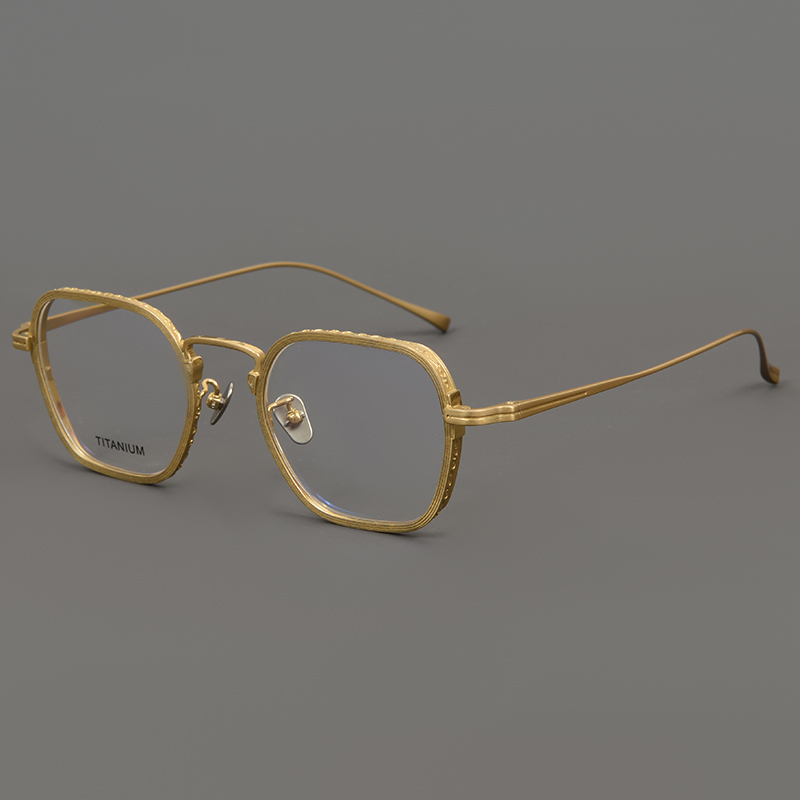
Speaking of glasses, I found that having the right pair makes a big difference. When I get a new pair of reading glasses, I always explain to the optometrist that I paint miniatures and need a bit more magnification than usual. This ensures that my glasses are perfectly suited for the task. In fact, I've been looking at some stylish and functional options from Mozaer. They have a great selection of frames that are perfect for close-up work.
I've even considered a pair of Classic Square Pure Titanium glasses from Mozaer. The pure titanium frame is lightweight and comfortable, which is important for long painting sessions. Plus, they have a vintage style that I really like. I think they'd be perfect for both painting and everyday wear. They seem durable and well-made, and the design is both classic and stylish. I appreciate that they are hand-made, suggesting a higher level of craftsmanship and attention to detail. I also need them for computer work, so the option for myopia lenses is a big plus.
Based on my experiences, here are some practical tips to help you conquer miniature painting eyes, even as you get older: