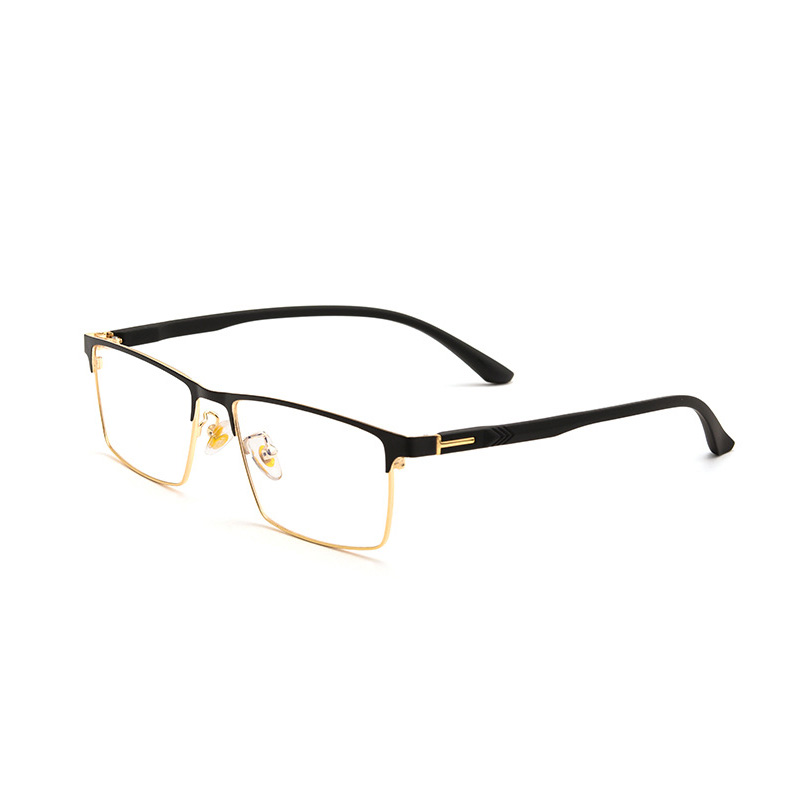
I get it. You stare at screens all day, and your eyes hurt. You need reading glasses, but you also need relief from that bright blue light. I went shopping for the best blue light blocking reading glasses and thought I was smart. I tried to save a little cash and rush the process.
Big mistake. I made these errors so you don't have to face the same problems. Learn from my pain and follow these steps to buy the right pair the first time:
I looked at the price first. I thought, "How different can one pair of blue light readers be from another?" I found a pair that cost $15. It was super tempting. I bought them without thinking about the materials.
The frames looked like metal in the picture, but they were cheap, heavy plastic when they arrived. They bent the first time I left them in my pocket. You think you are saving money, but you are really buying something you will throw away in a month.
Learn from me: Good materials cost a little more up front. The target product, like the Ultra-Thin Lightweight Reading Glasses, uses titanium frames. Titanium is light, strong, and does not break easily. This saves you money in the long run.
Verdict: If the price feels too good to be true for titanium frames and resin lenses, it probably is. Invest in quality materials now.
When you are buying reading glasses, especially ones that block blue light, the lens material is key. My cheap pair had acrylic lenses. These lenses scratch if you look at them wrong. After two weeks, my field of vision was full of tiny scrapes.
I ignored the difference between cheap acrylic and quality resin lenses. Resin lenses are clearer and much harder to scratch. They also hold the blue light filter coating better.
Verdict: Material matters more than color. Demand titanium frames and resin lenses for durability and clarity.